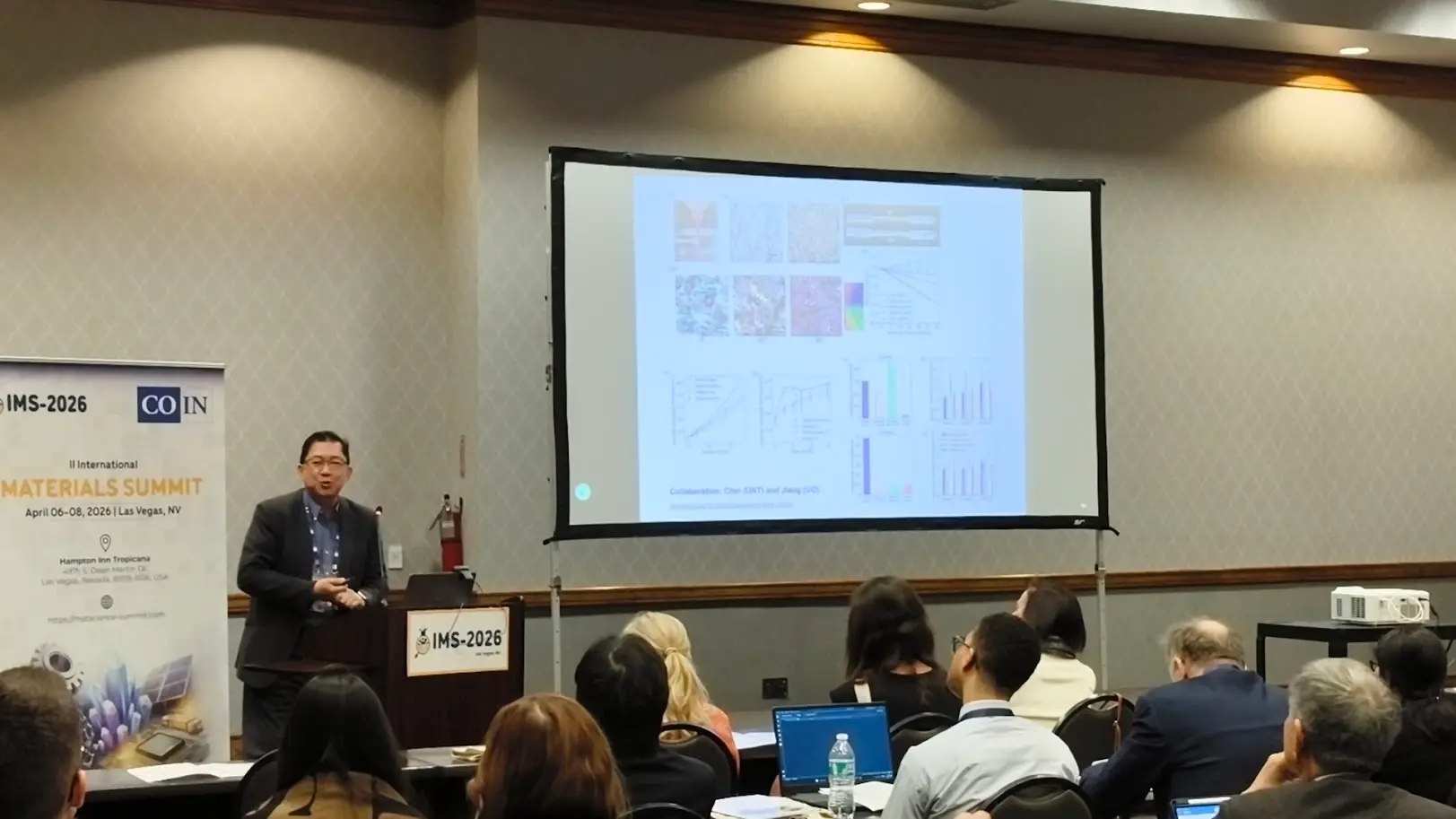
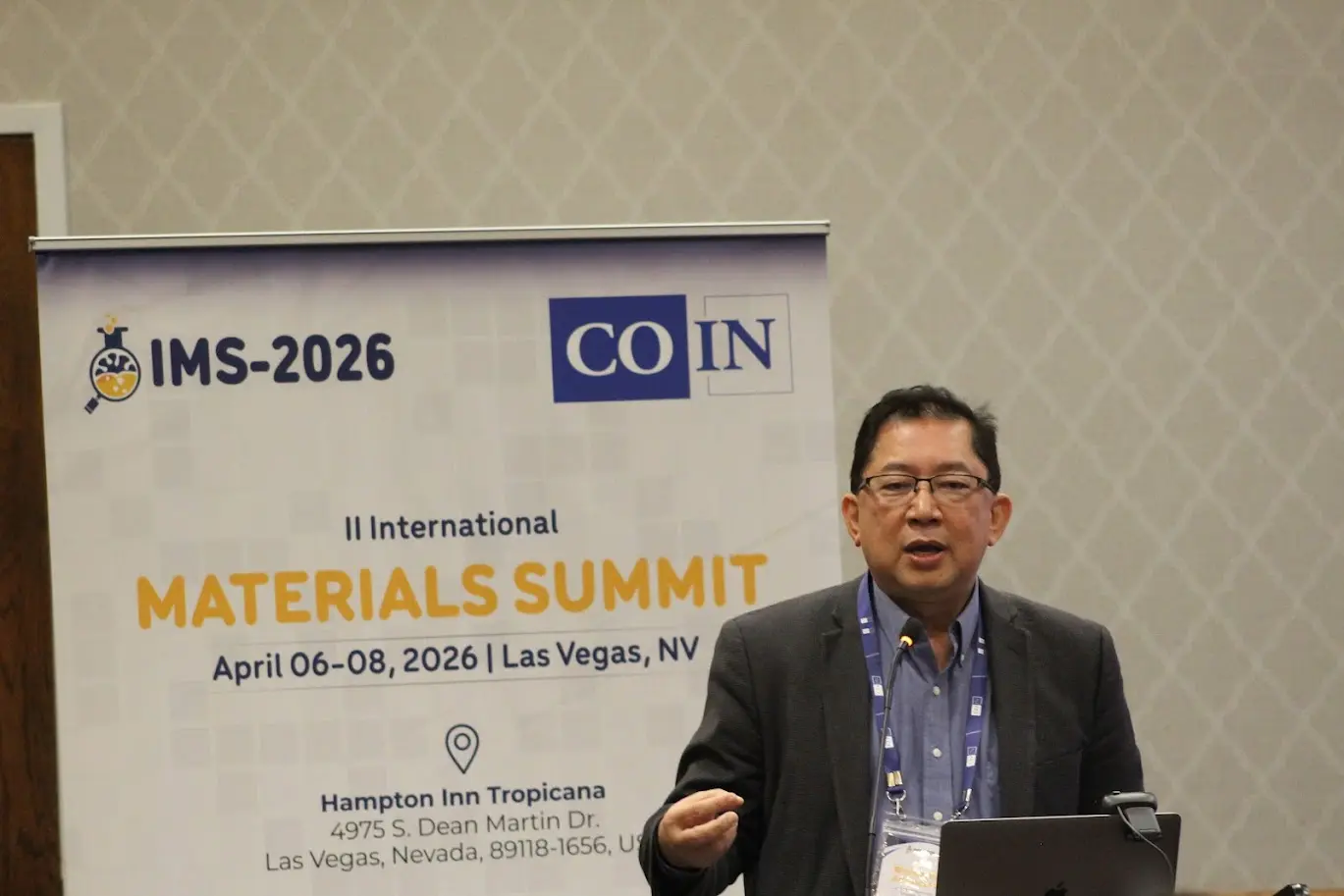
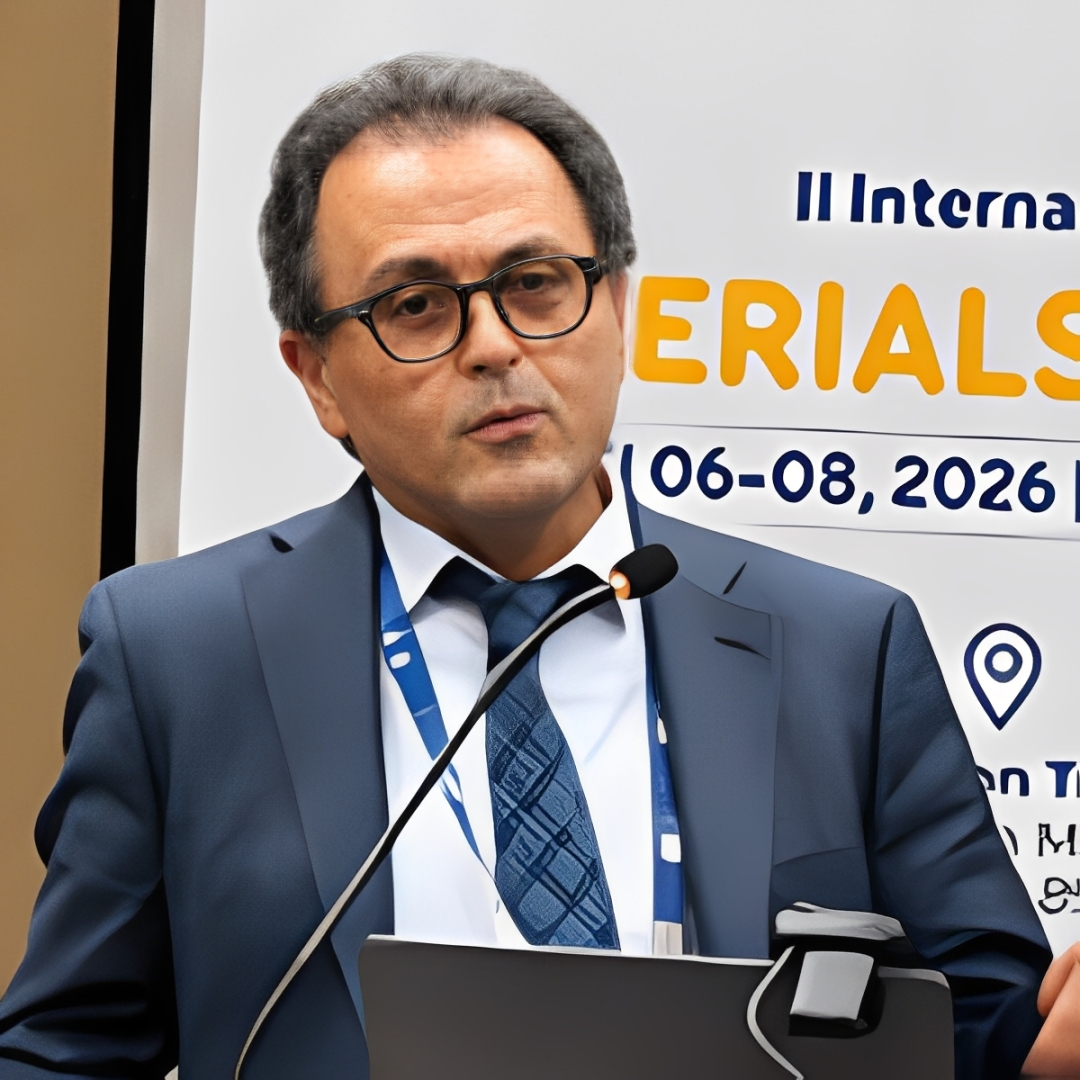
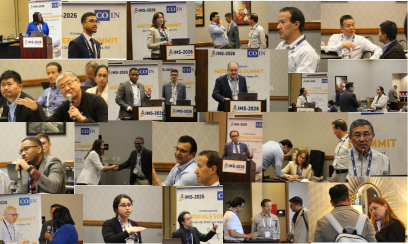
III International Materials Summit serves as a premier platform that unites researchers, industry leaders, and innovators in materials science and engineering. By fostering collaboration and knowledge exchange, the summit drives advancements in key areas such as sustainable materials, electronic and photonic materials, and emerging nanotechnologies. Our mission is to accelerate scientific progress, promote interdisciplinary partnerships, and address global challenges in energy, healthcare, and environmental sustainability. Through meaningful discussions and groundbreaking research presentations, Materials Summit continues to shape the future of materials science on a global scale.
Researchers and Academics
Entrepreneurs and Innovators
Industry Professionals

Past Conferences
Delegates
Talks
Collaborations
Electronic materials are essential for modern devices, enabling advances in semiconductors, sensors, and computing. They support innovation in microelectronics and emerging technologies.
Advanced Semiconductor Materials
High-Performance Electronic Devices
Next-Gen Computing & Sensors
Submit AbstractMagnetic materials are essential for data storage, sensing, and energy applications. They enable advancements in spintronics, memory devices, and electromagnetic systems.
Spintronics & Memory
Magnetic Sensors
Energy Applications
Submit AbstractSmart materials respond dynamically to environmental stimuli such as temperature, light, or pressure. They are widely used in adaptive systems, robotics, and advanced sensors.
Stimuli-Responsive Systems
Adaptive Materials
Intelligent Devices
Submit AbstractCarbon materials like graphene and carbon nanotubes offer exceptional electrical and mechanical properties. They are transforming electronics, energy storage, and flexible devices.
Graphene & CNTs
High Conductivity
Flexible Electronics
Submit AbstractNanomaterials exhibit unique properties at the nanoscale, enabling breakthroughs in electronics, medicine, and energy systems. They are key to next-generation miniaturized devices.
Nanostructured Materials
Quantum Effects
Nano-enabled Devices
Submit AbstractStructural materials are designed to provide strength, durability, and reliability in engineering applications. They are essential for construction, aerospace, and infrastructure development.
High Strength & Durability
Load-Bearing Applications
Infrastructure Materials
Submit AbstractComposite materials combine multiple constituents to achieve superior mechanical and physical properties. They are widely used in lightweight and high-performance applications.
Lightweight Structures
High Strength Materials
Aerospace & Automotive Uses
Submit AbstractIndustrial materials are tailored for large-scale manufacturing and practical applications across various sectors. They ensure efficiency, performance, and cost-effectiveness in production.
Manufacturing Materials
Process Optimization
Industrial Applications
Submit AbstractMining and metals focus on the extraction, processing, and utilization of metallic resources. These materials form the backbone of modern industries and infrastructure.
Metal Extraction & Processing
Metallurgy & Alloys
Resource Sustainability
Submit AbstractApplied materials bridge research and real-world implementation, enabling innovations in industrial and technological applications. They support scalable and efficient material solutions.
Real-World Applications
Process Engineering
Scalable Technologies
Submit AbstractEnergy materials enable efficient generation, storage, and conversion of energy for modern applications. They are key to advancing batteries, solar cells, and next-generation energy systems.
Energy Storage Systems
Solar & Renewable Technologies
High-Efficiency Materials
Submit AbstractNuclear materials are designed to withstand extreme radiation and temperature conditions in nuclear systems. They play a critical role in reactor safety, performance, and longevity.
Radiation-Resistant Materials
Reactor Materials
Safety & Performance
Submit AbstractSustainable materials focus on reducing environmental impact through eco-friendly design and lifecycle management. They support green technologies and circular economy initiatives.
Eco-Friendly Materials
Green Technologies
Lifecycle Sustainability
Submit AbstractMaterial recycling promotes the recovery and reuse of resources to minimize waste and environmental impact. It is essential for sustainable development and resource efficiency.
Waste Reduction
Resource Recovery
Circular Economy
Submit AbstractPolymers and biopolymers are versatile materials used in packaging, healthcare, and advanced engineering applications. They offer flexibility, tunable properties, and sustainable alternatives.
Functional Polymers
Biodegradable Materials
Industrial Applications
Submit AbstractBiomaterials are engineered for medical and biological applications, supporting tissue repair and healthcare innovations. They play a key role in implants, drug delivery, and regenerative medicine.
Medical Implants
Tissue Engineering
Drug Delivery Systems
Submit AbstractHybrid materials combine organic and inorganic components to achieve enhanced multifunctional properties. They are widely used in biomedical, electronic, and coating applications.
Multi-functional Systems
Biohybrid Materials
Advanced Applications
Submit AbstractMaterial physics and chemistry explore the structure, properties, and interactions of materials at fundamental levels. They form the foundation for designing advanced materials.
Atomic & Molecular Interactions
Material Properties
Functional Design
Submit AbstractSurface science focuses on the physical and chemical processes occurring at material interfaces. It is essential for coatings, catalysis, and electronic device performance.
Interface Phenomena
Thin Films & Coatings
Surface Engineering
Submit AbstractComputational approaches use simulations and theoretical models to predict material behavior and accelerate innovation. They play a vital role in modern materials design, enabling faster material development.
Modeling & Simulation
Predictive Design
AI in Materials Science
Submit AbstractMaterial research drives the discovery and development of new materials and technologies. It bridges fundamental science with industrial and real-world applications.
Advanced Characterization
Emerging Materials
Research & Innovation
Submit AbstractAdvanced materials exhibit superior properties such as high strength, conductivity, or responsiveness. They are essential for next-generation technologies and industrial applications.
High-Performance Materials
Functional Innovations
Emerging Technologies
Submit AbstractCeramics and glass materials offer excellent thermal stability, strength, and chemical resistance. They are widely used in electronics, construction, and energy systems.
High-Temperature Materials
Structural Applications
Functional Ceramics
Submit Abstract| 07:30 - 08:00 | Arrival and registration |
| 08:00 - 08:10 | Welcome from chair |
| 08:10 - 10:20 | Plenary Session |
| 10:20 - 10:40 | Networking Break |
| 10:40 - 12:30 | Keynote Session I |
| 12:30 - 13:30 | Lunch |
| 13:30 - 16:20 | Keynote Session II |
| 16:20 - 16:40 | Networking Break |
| 16:40 - 17:30 | Oral Session |
| 17:30 - 18:30 | Poster Session with Cocktails |
| 08:00 - 08:10 | Welcome from chair |
| 08:10 - 10:20 | Keynote Session |
| 10:20 - 10:40 | Networking Break |
| 10:40 - 12:30 | Oral Session I |
| 12:30 - 13:30 | Lunch |
| 13:30 - 14:20 | Oral Session II |
| 16:20 - 16:40 | Networking Break |
| 16:40 - 17:30 | Flash Talks |
| 08:00 - 08:10 | Welcome from chair |
| 08:10 - 10:20 | Oral Session I |
| 10:20 - 10:40 | Networking Break |
| 10:40 - 12:30 | Oral Session II |
| 12:30 - 13:30 | Lunch / Departure of In-person |
| 13:30 - 19:00 | Virtual Session |